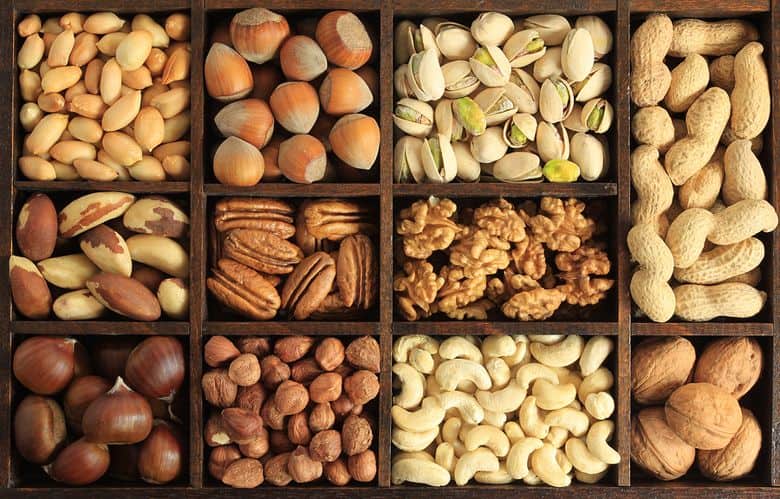
Nuts have long been a popular snack, whether enjoyed at parties or as a simple bowlful of goodness. However, there seems to be some confusion surrounding their health benefits. Are nuts truly a healthy snack, or should we be cautious about consuming them? In this comprehensive guide, we will delve into the world of nuts to uncover the truth about their nutritional value and the potential health benefits they offer.
Nuts: A Nutritional Powerhouse
Nuts are packed with essential nutrients that contribute to a well-balanced diet. They are a rich source of healthy fats, protein, fiber, vitamins, and minerals. While they do contain a high fat content, it’s important to note that the majority of this fat is unsaturated, which is considered heart-healthy. Different types of nuts offer distinct nutritional profiles, so let’s explore some of the most commonly consumed varieties.
Almonds: The Crunchy Nutritional Powerhouse
Almonds are renowned for their nutritional value. They are a great source of monounsaturated fats, vitamin E, magnesium, and potassium. These nutrients play a vital role in maintaining heart health, reducing inflammation, and supporting overall well-being. Incorporating a handful of almonds into your daily diet can be a smart choice for promoting a healthy lifestyle.
Walnuts: The Omega-3 Rich Superfood
Walnuts are a vegetarian source of omega-3 fatty acids, which are essential for brain health and reducing inflammation. They also contain antioxidants, fiber, and protein. Including walnuts in your diet can contribute to improved heart health, brain function, and overall longevity.
Pistachios: The Nutrient-Dense Snack
Pistachios are nutrient-dense, offering a wide range of vitamins, minerals, and antioxidants. They are particularly rich in potassium, vitamin B6, and fiber. Consuming pistachios has been linked to improved heart health, weight management, and blood sugar control.
Cashews: The Creamy and Nutritious Delight
Cashews are known for their creamy texture and rich flavor. They are a good source of healthy fats, protein, and minerals such as copper, magnesium, and zinc. Incorporating cashews into your diet can help support bone health, improve brain function, and boost your immune system.
The Health Benefits of Nuts
The nutritional composition of nuts contributes to their numerous health benefits. Let’s explore some of the key advantages that consuming nuts can offer.
Heart Health: Protecting Your Most Vital Organ
Nuts have long been associated with heart health. Despite their high fat content, the majority of this fat is unsaturated and has been shown to have positive effects on cholesterol levels. Regular nut consumption has been linked to lower LDL (“bad”) cholesterol levels and reduced risk of heart disease. Incorporating nuts into a heart-healthy diet can be a smart choice for protecting your cardiovascular system.
Weight Management: A Satisfying Snack
Contrary to popular belief, nuts can actually aid in weight management. Despite being calorie-dense, the combination of healthy fats, protein, and fiber in nuts can help you feel full and satisfied, reducing the likelihood of overeating. Studies have shown that individuals who include nuts in their diet tend to have a lower body mass index (BMI) and a reduced risk of obesity.
Blood Sugar Control: Nuts for Diabetes Management
Nuts can be a valuable addition to the diet of individuals with diabetes. Their low glycemic index and high fiber content contribute to better blood sugar control. Regular nut consumption has been associated with improved insulin sensitivity and reduced risk of developing type 2 diabetes.
Brain Health: Nourishing Your Mind
The nutrients found in nuts, such as omega-3 fatty acids, vitamin E, and antioxidants, play a crucial role in maintaining brain health. These components have been linked to improved cognitive function, memory, and overall brain health. Including nuts in your diet can be a tasty way to support your mental well-being.
Inflammation: Fostering a Healthy Body
Chronic inflammation is a contributing factor to many chronic diseases. The antioxidants and anti-inflammatory compounds found in nuts can help reduce inflammation in the body. Regular nut consumption has been associated with lower levels of inflammatory markers, such as C-reactive protein (CRP). By incorporating nuts into your diet, you can support a healthy, inflammation-free body.
Nutrient Density: A Powerhouse of Essential Nutrients
Nuts are incredibly nutrient-dense, meaning they provide a wide range of essential vitamins and minerals in a small package. From vitamin E and magnesium to potassium and copper, nuts offer a variety of nutrients that are vital for overall health and well-being. Including a variety of nuts in your diet ensures you reap the benefits of their diverse nutrient profiles.
The Importance of Portion Control
While nuts offer numerous health benefits, it’s important to exercise portion control due to their high calorie content. A small handful, roughly 30 grams, is considered a portion size. This portion provides approximately 175 calories and a balanced combination of fats, protein, and fiber. Enjoying nuts as a snack between meals or incorporating them into meals can help you stay satisfied and reap their nutritional benefits without overindulging.
Choosing the Right Nuts: Unsalted and Unprocessed
When selecting nuts, it’s important to opt for unsalted varieties to avoid excessive sodium intake. Salted nuts can lead to increased thirst and potentially encourage the consumption of more alcohol. Additionally, it’s best to choose raw or dry-roasted nuts rather than those that are flavored, honey-roasted, or coated in sugar. These additives can significantly increase the sugar and calorie content, undermining the health benefits of the nuts themselves.
Enjoying Nuts in Creative Ways
While plain nuts can be a healthy snack on their own, there are various ways to incorporate them into your meals and enhance their flavors. Try dry frying or toasting plain nuts to bring out their natural richness. You can experiment with different spices, such as Chinese five-spice, paprika, or cayenne pepper, for a savory twist. For a sweeter flavor profile, consider adding cinnamon or a dash of vanilla extract. These simple techniques can elevate the taste of nuts and make them a more exciting and satisfying addition to your meals.
Conclusion: Nuts – A Healthy Snack Choice
In conclusion, nuts are indeed a healthy snack choice when consumed in moderation. With their abundance of essential nutrients and numerous health benefits, nuts can be a valuable addition to a well-balanced diet. Remember to exercise portion control, choose unsalted and unprocessed varieties, and get creative with flavors to truly enjoy the unique and nutritious qualities of these little powerhouses. So go ahead, grab a handful of nuts, and savor the goodness they bring to your health and well-being.